

Dubai: New bridges and tunnels to cut Al Safa Street travel time by 75%
Master plan includes Umm Suqeim and Al Wasl Street upgrades

DUBAI: In line with directives to accelerate infrastructure development and improve road capacity across Dubai, the Roads and Transport Authority (RTA) has launched the Al Safa Street Improvement Project.
The initiative covers a 1,500-metre stretch between Sheikh Zayed Road and Al Wasl Street, aimed at supporting the city’s rapid urban growth and enhancing overall mobility.
The project includes the construction of two new bridges and two tunnels with a total length of 3,120 metres. Surface roads will also be widened, and intersections and signal systems will be upgraded. Upon completion, travel time along Al Safa Street is expected to drop from 12 minutes to just 3 minutes.
RTA’s Director General and Chairman of the Board of Executive Directors, Mattar Al Tayer, confirmed that the development is part of a broader master plan targeting the upgrade of major roads, including Umm Suqeim and Al Wasl Streets. The initiative is also intended to support the area’s growing residential and commercial needs, particularly in high-traffic zones.
Key community link
Al Tayer noted that the project serves a prominent district that regularly hosts tourism, cultural, and sporting events. Key landmarks include City Walk, Coca-Cola Arena, and various high-end hotels, restaurants, and educational institutions. Enhancing connectivity with Downtown Dubai and the Financial Centre Street will serve over one million residents in the surrounding areas.
The upgrade will also incorporate creative and aesthetic urban design, including landscaped areas, pedestrian-friendly walkways, cycling tracks, and public plazas to promote community interaction.
Bridge details
The first bridge under the project will serve traffic coming from Al Wasl Street toward Sheikh Zayed Road and Financial Centre Street. It will feature four lanes and span 1,005 metres with a capacity of 6,400 vehicles per hour.
The second bridge will manage traffic from Al Satwa Road to Sheikh Zayed Road and Financial Centre Street. It will be 360 metres long with two lanes and a capacity of 2,800 vehicles per hour.
Tunnel infrastructure
The first tunnel will span 1,005 metres and will serve vehicles traveling from Sheikh Zayed Road and Financial Centre Street toward Al Wasl Street. It will consist of two lanes, capable of handling 3,200 vehicles per hour.
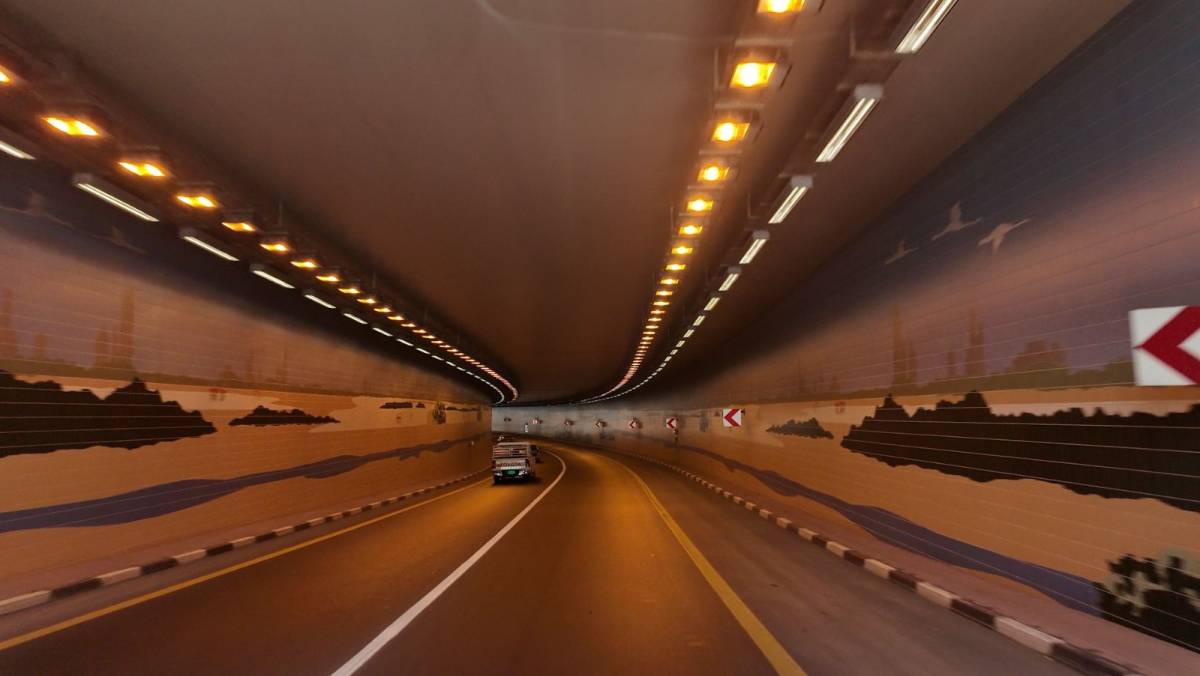
The second tunnel, located at the intersection of Al Wasl and Al Safa Streets, will be 750 metres long and feature two lanes in each direction. It is designed to accommodate a total of 6,400 vehicles per hour.
To further ease congestion, Al Safa Street will be widened from three lanes per direction to four. Two lanes will offer free-flowing movement while the remaining two will be regulated by traffic signals.
Traffic safety boost
Additional improvements include pedestrian and cycling infrastructure, upgraded lighting, and directional signage. The rainwater drainage system will be modernized, and existing utility services will be protected or relocated as necessary.
These upgrades are expected to streamline traffic from the Upper Deck of Financial Centre Street and Sheikh Zayed Road toward Al Safa and Al Wasl Streets, strengthening connectivity across key urban corridors.
Master plan expansion
Al Tayer emphasized that the Al Safa Street initiative is part of a larger strategic development plan. This includes improvements to Al Wasl Street from Umm Suqeim Street to 2nd December Street, a 15-kilometre stretch that will see upgrades to six intersections. Five new tunnels will be constructed with a combined length of 3,850 metres. The road will be widened from two to three lanes per direction, increasing capacity from 8,000 to 12,000 vehicles per hour and reducing travel time by 50%.
Major intersections targeted
The Umm Suqeim Street component spans 6 kilometres from Jumeirah Street to Al Khail Road and involves upgrades to six major junctions. These include intersections with Jumeirah Street, Al Wasl Street, Sheikh Zayed Road, First Al Khail Road, Al Asayel Street, and Al Khail Road.
It will involve the construction of four bridges and three tunnels totaling 4,100 metres. Once completed, Umm Suqeim Street will handle up to 16,000 vehicles per hour in both directions, reducing travel time between Jumeirah Street and Al Khail Road from 20 minutes to 6 minutes.
Connectivity gains
The comprehensive plan is designed to enhance road connectivity between four of Dubai’s main highways: Sheikh Zayed Road, Al Khail Road, Sheikh Mohammed bin Zayed Road, and Emirates Road. The upgrades are expected to significantly improve traffic conditions and travel efficiency throughout the area.